
What to Do When You Need to Make a Business Insurance Claim
A step-by-step guide to making a business insurance claim: what to do first, what evidence to gather, how the process works and how your broker helps.
Making a claim usually happens on a bad day: a break-in, a burst pipe, storm damage, a customer injury or a letter of demand. Knowing what to do next can make the process smoother and help avoid delays.
Here's a practical guide to what to do, and what to avoid, when you need to make a business insurance claim.
Step 1: Make things safe
Your first priority is people. If anyone is injured or in danger, call 000. Then take reasonable steps to stop further damage, if it's safe to do so. That might mean turning off the water, covering a damaged roof, boarding up a broken window or moving stock out of harm's way.
Most policies expect you to take reasonable steps to minimise loss, and the reasonable cost of emergency repairs is often covered. Keep receipts.
Step 2: Report crimes to police
For theft, burglary, malicious damage or vandalism, report it to police and note the report or reference number. Insurers usually ask for this. For cyber crime or online scams, report through ReportCyber at cyber.gov.au and contact your bank straight away.
Step 3: Contact us as soon as you can
Call or email us as soon as practical, even if you're not sure the loss is covered. Late notification can complicate a claim, and some policies, such as liability, cyber and management liability, have specific notification requirements. Let us know:
What happened, when and where
What's been damaged, lost or alleged
Who's involved, including any third parties or witnesses
What you've done so far
You can also find our details on our claims page.
Step 4: Gather evidence
Good evidence helps a claim move faster. Collect:
Photos and video of the damage, taken before clean-up
The damaged items themselves, kept until the insurer or assessor says you can dispose of them
Invoices, receipts or an asset register showing what you owned and its value
Quotes for repair or replacement, if the insurer asks for them
Financial records if you're claiming business interruption, such as management accounts and BAS
Correspondence, such as a letter of demand, email or claim from a third party
Step 5: Don't admit liability
If someone makes a claim against you, for example under your public liability or professional indemnity policy, don't admit fault, promise to pay or agree to a settlement without speaking to us and the insurer first. Doing so can affect your cover. Be polite and helpful, take their details, and pass everything on to us.
Step 6: Work with the insurer and assessor
For larger or more complex claims, the insurer may appoint an assessor or loss adjuster to inspect the damage, review documents and recommend how the claim should be settled. Answer their questions honestly and promptly. We stay involved and follow up so things keep moving.
Step 7: Understand the outcome
Once the insurer has the information it needs, it will decide on the claim. That might mean paying for repairs, replacing items, paying a cash settlement, or, in some cases, declining all or part of the claim. Your excess will usually apply.
If you're not sure about a decision, ask us. We'll explain the insurer's reasons and whether there's anything more to provide.
If you disagree with a decision
If you're unhappy with how your claim has been handled, you can make a complaint through the insurer's internal dispute resolution process. If it isn't resolved, you may be able to take it to the Australian Financial Complaints Authority (AFCA), a free, independent external dispute resolution scheme. We can help you through this process.
Common claim mistakes to avoid
Throwing away damaged items before they're inspected
Starting permanent repairs without the insurer's approval (emergency repairs are different)
Waiting weeks to tell us about an incident
Admitting liability to a third party
Guessing at values rather than providing evidence
Getting ready before anything happens
The best time to prepare for a claim is before you need one. Keep an up-to-date asset register, store important documents in the cloud, review your sums insured at renewal (see our post on underinsurance), and keep our details somewhere easy to find. If storms are a concern, read our storm season checklist.
How we help with claims
As your broker, we're on your side when you claim. We help you lodge the claim, explain what the insurer needs, liaise with assessors and follow up until it's resolved. We look after claims for tradies, construction businesses, cafés and restaurants, commercial property owners and businesses of all kinds right across Australia. Wherever you're based, we handle claims by phone and email.
Need to make a claim?
Call us on (03) 9078 6473 between 9:00am and 5:30pm, Monday to Friday, email info@mminsure.com.au, or visit our claims page. For emergencies outside business hours, check your policy schedule for your insurer's after-hours claims number.
Not a client yet? Contact us to talk about your business insurance.
General advice warning: General advice only. This information is general in nature and doesn't take into account your objectives, financial situation or needs. Before deciding to buy or continue to hold any insurance product, consider whether it's right for you and read the relevant Product Disclosure Statement (PDS) and Target Market Determination (TMD), available from us or the insurer. Cover is subject to the terms, conditions, limits and exclusions of the policy.
M & M Insurance Services Pty Ltd ABN 54 664 837 138 is an Authorised Representative of Ausure Pty Ltd ABN 94 096 971 854 | AFSL 238433.

Fake Invoice Scams and Cyber Insurance: What Small Businesses Should Know
How fake invoice and business email compromise scams work, simple steps to protect your business, and what cyber insurance may and may not cover.
One of the most common scams aimed at Australian businesses doesn't rely on sophisticated hacking. A convincing email arrives, apparently from a regular supplier, saying their bank details have changed. You pay the next invoice to the new account, and the money is gone.
These scams are often called business email compromise or payment redirection scams. They target businesses of every size, from sole traders to large companies, and they're worth taking seriously.
How fake invoice scams work
The details vary, but common patterns include:
Changed bank details: an email that looks like it's from a supplier, contractor or landlord asks you to update their account details.
Hijacked email accounts: a scammer gains access to a real email account (yours or a supplier's), watches the conversation, then sends a fake invoice at the right moment.
Lookalike addresses: the sender's email address is one letter off the real one, or uses a slightly different domain.
Fake urgency: a message from someone posing as the boss asking for an urgent payment or gift cards, often when they're "in a meeting" or travelling.
Fake overdue notices: invoices for services you never ordered, such as directory listings or domain renewals.
Builders, manufacturers, transport and logistics businesses and anyone paying large supplier invoices can be particularly exposed, because big, regular payments are what scammers are looking for.
Simple steps to protect your business
Verify any change to bank details
This is the single most useful habit. If a supplier asks to change their bank details, call them on a number you already have on file, not one from the email, and confirm before paying.
Use two-step approval for payments
Where you can, have one person set up a payment and another approve it, particularly for new payees or changed details.
Turn on multi-factor authentication
Use multi-factor authentication for email, banking, accounting software and cloud storage. It makes it much harder for someone to log in with a stolen password.
Train your team
Make sure everyone who handles payments or email knows what these scams look like, and that it's fine to slow down and check.
Keep systems updated
Install software updates, use reputable security software, and back up your data regularly.
Use trusted resources
The Australian Signals Directorate's Australian Cyber Security Centre (cyber.gov.au) publishes free guidance for small businesses, and Scamwatch (scamwatch.gov.au) tracks current scams.
If you think you've been scammed
Contact your bank immediately. The sooner you report it, the better the chance of stopping or recovering a payment.
Report it through ReportCyber at cyber.gov.au.
Secure your accounts. Change passwords and check email rules or forwarding settings that may have been added.
Tell us if you have cyber insurance. Many cyber policies require prompt notification and provide access to incident response help. See our claims page.
Keep records of emails, invoices and payment details.
What cyber insurance can cover
Cyber insurance is designed to help businesses respond to and recover from cyber incidents. Depending on the policy, cover may include:
Access to incident response specialists, IT forensics and legal advice
Costs to restore data and systems
Business interruption losses after a cyber event
Costs of notifying affected customers after a data breach
Liability claims from third parties whose data was compromised
Cyber extortion, such as ransomware
The important catch: cyber crime and funds transfer fraud
Not every cyber policy covers money lost to a fake invoice or payment redirection scam. This type of loss is often dealt with under a separate section, sometimes called cyber crime, social engineering or funds transfer fraud, and it may be optional, sub-limited or subject to conditions such as verifying bank detail changes by phone.
Some businesses may also find related cover under a crime section of a management liability policy. Because the wording varies so much between insurers, it's worth checking exactly what your policy says before you rely on it.
How we help
We arrange cyber insurance for small businesses Australia-wide, by phone and email, including IT businesses, professional services firms and general businesses. We'll explain what each policy covers, point out any sub-limits or conditions for social engineering losses, and help you compare options.
Talk to us about cyber cover
To review your cyber risk and insurance, call us on (03) 9078 6473, email info@mminsure.com.au or contact us.
General advice warning: General advice only. This information is general in nature and doesn't take into account your objectives, financial situation or needs. Before deciding to buy or continue to hold any insurance product, consider whether it's right for you and read the relevant Product Disclosure Statement (PDS) and Target Market Determination (TMD), available from us or the insurer. Cover is subject to the terms, conditions, limits and exclusions of the policy.
M & M Insurance Services Pty Ltd ABN 54 664 837 138 is an Authorised Representative of Ausure Pty Ltd ABN 94 096 971 854 | AFSL 238433.

Subcontractor Public Liability: A Guide for Builders
Builders: how to check subcontractor public liability, what to look for on a certificate of currency, and why it matters if something goes wrong.
Most builders rely on subcontractors to get jobs done: electricians, plumbers, carpenters, concreters, plasterers, tilers and more. Each of them brings their own risk onto your site. If a subcontractor causes injury or property damage and doesn't have adequate insurance, the claim can end up landing on you and your policy.
That's why checking subcontractor insurance, and keeping proof of it, should be part of every builder's routine.
Why subcontractor insurance matters to you
When something goes wrong on site, the injured person or property owner may claim against everyone involved, including the builder or head contractor. If the subcontractor responsible has their own public liability cover, their insurer can respond. If they don't, or their cover has lapsed, you could be left defending the claim yourself.
It can also affect your own insurance. Many builders' public liability policies include conditions about subcontractors, such as a requirement that all subcontractors hold their own public liability cover at a minimum limit. If you don't check, and an uninsured subcontractor causes a loss, your insurer may limit or decline cover, depending on the policy wording. Read your policy conditions carefully, or ask us to go through them with you.
What is a certificate of currency?
A certificate of currency is a document issued by an insurer or broker confirming that a policy is in force at the date it's issued. It usually shows:
The insured's name and ABN
The insurer and policy number
The type of cover (for example, public and products liability)
The limit of liability
The period of insurance
Any interested parties noted on the policy
A certificate is a snapshot. It confirms the policy was current on the day it was issued, not that it will stay in force, so it's worth checking again before it expires.
What to check on a subcontractor's certificate
When a subcontractor sends you a certificate of currency, check:
The name and ABN match the business you've engaged. A certificate in someone else's name doesn't protect you.
The policy is current and won't expire during their work on your project.
The limit of liability meets the minimum in your subcontract and your own policy conditions.
The cover type is right. For most trades, you're looking for public and products liability. Some trades may also need professional indemnity.
The business description fits the work. If the policy describes a painter and they're doing structural work, the policy may not respond.
Any exclusions you know about, such as work at heights, hot works or certain types of construction. Ask your subcontractor, or ask us to help interpret it.
If something doesn't look right, ask the subcontractor's broker or insurer to confirm.
Set up a simple system
You don't need complicated software to manage this. A basic process could look like this:
Make current insurance a condition in every subcontract agreement, with minimum limits written in
Request a certificate of currency before a subcontractor starts work
Keep certificates in one place, such as a shared folder or spreadsheet, with expiry dates
Set calendar reminders to request updated certificates before expiry
Don't let a subcontractor back on site until a lapsed certificate is renewed
Other covers to consider
Public liability is only one part of the picture. Depending on the subcontractor and your contract, you may also want to check:
Workers compensation: if your subcontractor employs workers, they generally need their own workers compensation cover under the scheme in the state or territory where the work is done. In some situations, a principal contractor can have obligations for a subcontractor's workers if that cover isn't in place. Check with the workers compensation regulator in your state or territory if you're unsure.
Personal accident: sole trader subcontractors aren't usually covered by workers compensation for their own injuries.
Professional indemnity: for subcontractors providing design, engineering or certification.
Contract works: make sure your contract works insurance covers work done by subcontractors on your projects.
How we help builders and subcontractors
We work with builders right across Australia, by phone and email, to make sure their construction insurance and public liability cover fits how they actually work, including how they use subcontractors. We can explain the subcontractor conditions in your policy and suggest minimum limits for your subcontract agreements.
We also look after subcontractors. If you're a tradie who needs a certificate of currency to start a job, see our tradie insurance page. Once your policy is in place, we can issue certificates when you need them.
Talk to us
If you'd like a second opinion on your subcontractor insurance requirements, call us on (03) 9078 6473, email info@mminsure.com.au or contact us.
General advice warning: General advice only. This information is general in nature and doesn't take into account your objectives, financial situation or needs. Before deciding to buy or continue to hold any insurance product, consider whether it's right for you and read the relevant Product Disclosure Statement (PDS) and Target Market Determination (TMD), available from us or the insurer. Cover is subject to the terms, conditions, limits and exclusions of the policy.
M & M Insurance Services Pty Ltd ABN 54 664 837 138 is an Authorised Representative of Ausure Pty Ltd ABN 94 096 971 854 | AFSL 238433.
Storm Season Prep: A Checklist for Melbourne Businesses
A practical storm season checklist for Melbourne businesses: protect premises, stock and data, check your insurance, and know what to do after a storm.
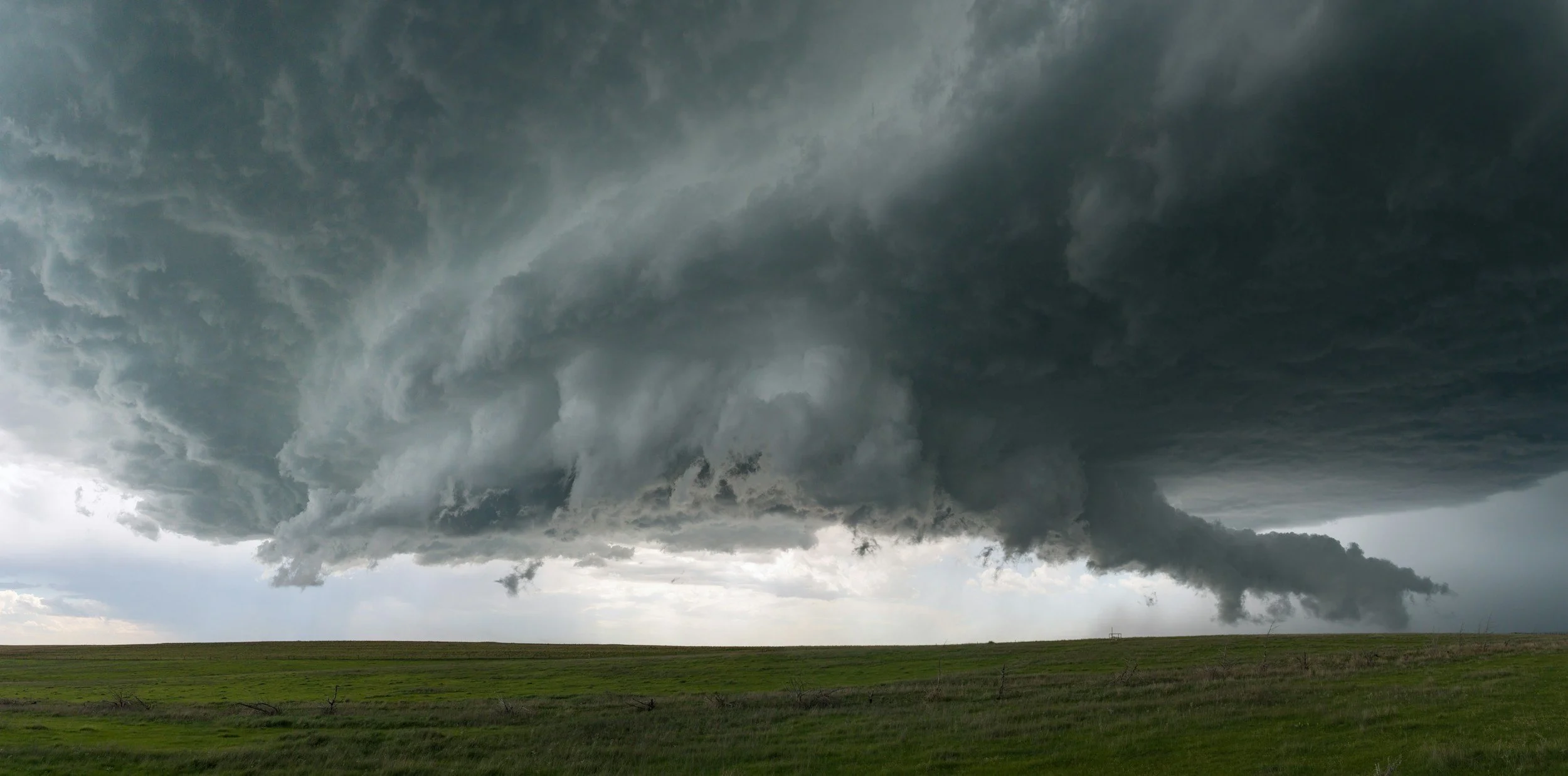
Melbourne's weather can turn quickly, and storm season brings risk to businesses right across Australia. Severe thunderstorms, damaging winds, hail and heavy rain can damage roofs, signage, stock and equipment, and flash flooding can close roads and premises. A bit of preparation before the warmer months can reduce the damage and help you get back to business faster.
Before storm season: check your premises
Walk around your premises, or ask your landlord or property manager to, and look for:
Gutters and downpipes: clear leaves and debris so water can drain away from the roof
Roofs: loose sheets, cracked tiles, rusted flashing and blocked box gutters
Trees: overhanging branches near the building, power lines, car parks or signage
Signage and fixtures: signs, awnings, shade sails and roof-mounted equipment that could come loose in strong winds
Drains: stormwater pits and grates in your yard or car park that may be blocked
Outdoor items: bins, pallets, furniture and materials that could be blown around
If you lease your premises, check your lease to see who's responsible for which maintenance. Owners of commercial property should agree a maintenance schedule with tenants or the property manager.
Protect your stock, equipment and data
Store stock and important equipment off the floor where possible, particularly in low-lying areas
Keep a spare tarp, sandbags and basic tools on hand
Know where your mains power, gas and water shut-offs are
Use surge protection for computers and key equipment
Back up business data regularly and keep a copy off site or in the cloud
Keep a current list of your plant, equipment and stock, with photos
Plan for disruption
A simple business continuity plan can make a big difference. Think about:
Who you'll call first, and how you'll contact staff if phones or power are down
Key supplier and customer contacts, and your insurer and broker details
Where you could operate from temporarily
How you'd keep taking orders or bookings if your premises are closed
For cafés and restaurants, plan for power outages and spoiled refrigerated stock. For manufacturers, think about which machines would be hardest to replace and how long they'd take to source. Transport and logistics businesses should plan routes and parking to keep vehicles out of flood-prone areas.
Check your insurance before you need it
Storm season is a good time to review your cover. Questions worth asking:
Is storm damage covered? Most business property policies cover storm, but check the definitions and exclusions.
What about flood? Policies define "flood" differently from storm water run-off and rainwater. Some policies include flood, some offer it as an option, and some exclude it. Know which applies to you.
Are my sums insured current? Rebuild and replacement costs change. See our post on keeping sums insured current.
Do I have business interruption cover? If you have to close after storm damage, this cover can help replace lost profit and pay extra costs, subject to the policy.
Is spoilage covered? Refrigerated stock lost due to a power outage may need a specific section of cover.
Are vehicles covered for hail and flood? Check your commercial motor policy.
What's my excess? Some policies carry a separate excess for certain natural hazards.
Our business insurance page outlines the covers we arrange. If you're not sure what your current policy includes, send us your schedule and we'll take a look.
Stay informed
Keep an eye on warnings from the Bureau of Meteorology and your state or territory emergency services during storm season, and consider your state's official emergency alerts app. If there's a warning for your area, secure loose items, move vehicles to safer ground and make sure staff know the plan.
After a storm
Put safety first. Stay away from fallen power lines and damaged structures. Call the SES on 132 500 for storm and flood help, or 000 in a life-threatening emergency.
Prevent further damage. Take reasonable steps such as covering a damaged roof with a tarp, if it's safe to do so.
Take photos and video of all damage before cleaning up or throwing anything out.
Keep damaged items where possible until the insurer or assessor says you can dispose of them.
Keep receipts for emergency repairs and clean-up costs.
Contact us as soon as you can. We'll help you lodge the claim and work with the insurer. Read our guide to making a business insurance claim or visit our claims page.
Get your cover storm-ready
We look after businesses Australia-wide by phone and email. If you'd like us to review your business insurance before storm season, call us on (03) 9078 6473, email info@mminsure.com.au or contact us.
General advice warning: General advice only. This information is general in nature and doesn't take into account your objectives, financial situation or needs. Before deciding to buy or continue to hold any insurance product, consider whether it's right for you and read the relevant Product Disclosure Statement (PDS) and Target Market Determination (TMD), available from us or the insurer. Cover is subject to the terms, conditions, limits and exclusions of the policy.
M & M Insurance Services Pty Ltd ABN 54 664 837 138 is an Authorised Representative of Ausure Pty Ltd ABN 94 096 971 854 | AFSL 238433.

Underinsurance: How to Keep Your Sums Insured Current
Is your business underinsured? How sums insured fall behind, how average clauses work, and simple steps to keep building and stock cover current.
Underinsurance happens when the amount you're insured for is less than what it would actually cost to rebuild, replace or recover after a loss. It's one of the most common problems we see at claim time, and it usually isn't anyone's fault. Sums insured are set once, renewed year after year, and slowly fall behind.
Here's how it happens, why it matters, and what businesses anywhere in Australia can do about it.
How sums insured fall behind
Most business policies ask you to nominate a sum insured for each section: buildings, contents, stock, plant and equipment, and business interruption. Those figures can drift out of date for several reasons:
Building and repair costs change. Construction materials and trade labour costs move over time, so a rebuild figure set a few years ago may no longer be enough.
You've bought new equipment. New machinery, fit-out, computers or tools are often added without anyone updating the policy.
Stock levels move. Seasonal peaks, bulk buying or a new product line can mean more stock on the shelves than the policy allows for.
The business has grown. Higher turnover and gross profit mean a bigger loss if you have to close for repairs.
Extra costs are forgotten. Demolition, debris removal, professional fees and meeting current building codes can add to the cost of a rebuild.
Why underinsurance matters
If your sum insured is too low, the most obvious problem is that a total loss won't be fully covered. But many business policies also include an average or co-insurance clause. Broadly, if you're insured for less than a set percentage of the true value, the insurer may reduce a claim in proportion to the shortfall, even for a partial loss.
That means underinsurance can affect a small claim as well as a large one. How average applies varies between policies, so check your policy wording or ask us to explain how yours works.
Business interruption: the cover that's easy to get wrong
Business interruption cover is designed to replace lost gross profit and pay extra costs while you recover from insured damage. Two settings matter:
The sum insured. This is generally based on gross profit (as defined in the policy, which is not always the same as your accountant's figure), projected forward for the full indemnity period.
The indemnity period. This is the maximum time the policy will pay for. Think realistically about how long it would take to get back to normal: approvals, rebuilding, replacing specialist equipment and winning customers back can take longer than expected.
A short indemnity period may look cheaper, but it can run out well before your business has recovered.
Practical steps to stay on top of your sums insured
1. Review sums insured at every renewal
Don't just roll last year's figures over. Look at each section of your policy and ask whether it still reflects your business today.
2. Get a professional valuation for buildings
If you own your premises, a valuation from a qualified valuer or quantity surveyor gives you a defensible rebuild figure, including demolition and fees. This is particularly worth doing for older buildings, heritage-listed properties and specialised industrial sites. Owners of commercial property should also check that loss of rent cover matches current leases.
3. Keep an asset register
A simple spreadsheet of your plant, equipment, fit-out and IT, with purchase dates and replacement costs, makes it easier to set contents figures and helps when making a claim.
4. Plan for stock peaks
If your stock fluctuates, ask about seasonal increases or declaration-based stock cover. This is common for manufacturers, wholesalers and retailers.
5. Talk to your accountant about business interruption
Your accountant can help project gross profit for the year ahead, which gives a sounder basis for your business interruption sum insured.
6. Tell us about changes during the year
New premises, a big equipment purchase, a fit-out or a new contract are all worth a quick call. Updating cover mid-term is often simpler than finding out after a loss.
How we help
We review sums insured with our clients Australia-wide at renewal, by phone and email, and talk through each section of the policy. We can explain how average and business interruption work under your particular policy, point out where figures look low, and adjust your cover when your business changes. See our business insurance page for the covers we arrange.
Check your cover
If you haven't looked at your sums insured for a while, now is a good time. Call us on (03) 9078 6473, email info@mminsure.com.au or contact us to arrange a review.
General advice warning: General advice only. This information is general in nature and doesn't take into account your objectives, financial situation or needs. Before deciding to buy or continue to hold any insurance product, consider whether it's right for you and read the relevant Product Disclosure Statement (PDS) and Target Market Determination (TMD), available from us or the insurer. Cover is subject to the terms, conditions, limits and exclusions of the policy.
M & M Insurance Services Pty Ltd ABN 54 664 837 138 is an Authorised Representative of Ausure Pty Ltd ABN 94 096 971 854 | AFSL 238433.